
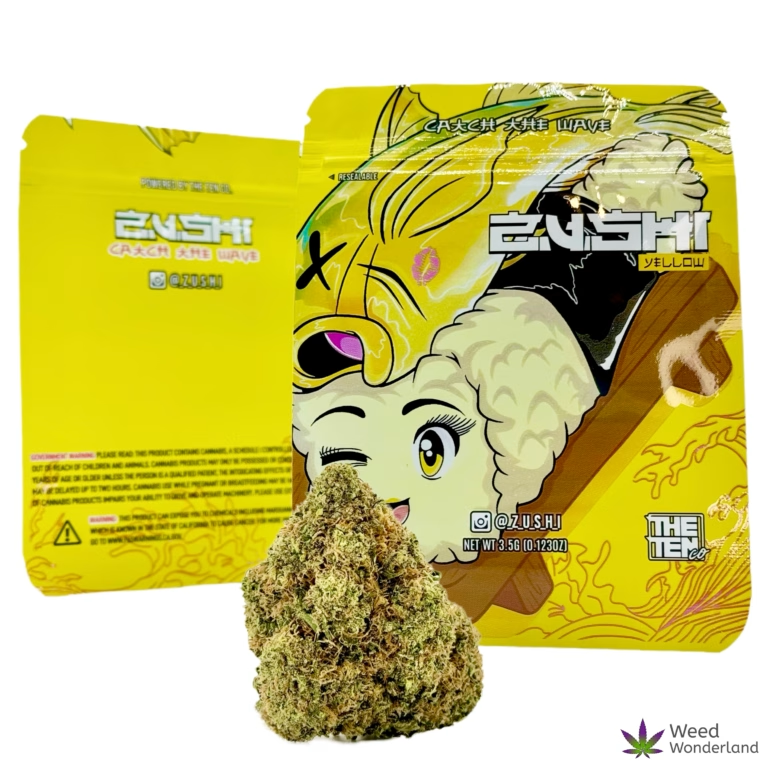
Yellow Zushi Strain


Price range: £45.00 through £144.00
Yellow Zushi is a cannabis strain known for its relaxing effects and vibrant citrus flavor. It offers stress relief and mood enhancement, with a refreshing aroma of citrus and sweet fruits, making it ideal for evening use.
- THC: Moderate THC
- Type: Indica
- Effects: Energetic, Giggly, Happy
Yellow Zushi Strain
Yellow Zushi Strain: What You Need to Know About this Genetics, Plant & Cultural Identity
Yellow Zushi Strain is a new age weed strain name, indicative of the increased role of creative breeding, terpene science and branding in modern plant genetics. While its home is in the top-end hybrids, Yellow Zushi may best be appreciated botanically and culturally than as a consumer product. You can tell its identity by how new strains are made, through a mixture of genetics, sensory qualities, and nomenclature passed along into a recognizable plant profile.
Genetic Lineage and Breeding Approach
Yellow Zushi Strain is typically said to be an all-around hybrid strain made by crossing a combination of select parent strains. And while precise breeding records may differ, many cite Zushi varieties as offspring from premium dessert-style strains like Zkittlez or Gelato or related terpene-dense hybrids. For the “Yellow,” see Genetic expression a mutation, an individual organism’s observable traits19 or specific phenotype (a plant pheno) of Palate: Or Sweet Tarts and two cups of Blueberry Liverpool chai from dull sweet to soapy5 Story, Legendary Glue than any other subspecies.
This strain is an example of a new breeding method, where breeders focus more on:
Distinct aroma and terpene expression
Visual traits: colour and trichomes density
Stable growth patterns across environments
Instead of being more potent, modern breeders are now striving to create a plant with a complex taste and an predictably specific botanic nature. Yellow Zushi is belonging to this new generation of hybrids for consistency, complexity of aroma and genetic stability.
Botanical Characteristics
From a horticultural aspect, Yellow Zushi displays many traits common to hybrid marijuana strains. The plant is typically medium in height, strong branching and flowers are compacted. Its leaves are bright green color often having a little bit of yellow tinge on it depends on light, feeding and genetic.
The buds tend to be dense and will have a visible layer of trichomes (the microscopic resin glands that create some cannabinoids and terpenes). These trichomes are key to plant defense, shielding against insects, UV rays and environmental stress. Their prevalence in strains such as Yellow Zushi also makes them intriguing research objects in botany.
Terpene Profile and Aroma Identity
What does Yellow Zushi taste like? It’s characterized by its rich aroma that smells of citrus rind, sweet tropical fruit and creamy or herbal hints. It is not cannabinoids themselves, however, but terpenes –a type of aromatic compound found throughout the plant kingdom– that are responsible for these traits.
Indica Dominant Hybrid Strains For Crumble Cake There are two other popular terpenes in Citrus-forward weed and Dessert style weed.
Limonene – light and lemony and up-lifting in aroma
Myrcene – earthy and leafy, adds depth
Caryophyllene – very subtle spicy and warmth
Linalool – soft floral notes
Terpenes naturally act as a plant’s defense and communication system. They push away pests, pull in pollinators and assist plants in adjusting to environmental conditions. By studying terpene profiles in strains such as Yellow Zushi, scientists can gain a better sense of how aromatic characteristics are passed down and make themselves known.
Understanding THC Scientifically
THC (tetrahydrocannabinol) is only one of the 100+ cannabinoids found in cannabis plants. Cannabinoids are produced in the trichomes as a defense mechanism as well they protect the plant against environmental stresses. Although it is less common for CBD to be touted in the description of a strain.
In research conducted by both academics and agricultural sectors, THC content is tested to evaluate genetic stability, environmental impact and breeding results. Yellow Zushi is frequently talked about in this regard as we continue examining how cannabinoid production differs among hybrid lineages.
Cultural Significance and Naming Trends
The statistician is as energized by a stinky, musty-smelling strain called Yellow Zushi as you would be about NFL statististics? Strains in previous generations were named for locations and attributes of appearance. In modern terms, but they are focused on sensual experience, color imagination and identity of lifestyle — not entirely unlike the names for specialty coffee, fruit cultivars or culinary herbs.
The catchy, colorful name helps ensure the strain is known within online databases and genetics circles, as well as visual identity. It also shows how language affects the way plant varieties are classified and remembered.
Implications for Breeding and Research
Yellow Zushi Strain is a prime example of how breeders play around with:
Terpene inheritance and aroma layering
Color and structure for phenotype selection
Hybrid stability across growth cycles
To researchers and horticulturists, strains like Yellow Zushi serve as a proof of concept that targeted breeding can be used to improve on specific plant traits while keeping the genetics stable.

| Weight: | £45 (1/8oz (3.5g)), £81 (1/4oz(7g)), £144 (1/2oz(14g)) |
|---|
Be the first to review “Yellow Zushi Strain”
Related products
THC flowers

THC flowers

THC flowers
THC flowers

THC flowers

THC flowers
THC flowers

THC flowers
Reviews
There are no reviews yet.